


How Used Furniture Consignment Works - Consignment Process Explained
- fcarol6
- Apr 20
- 4 min read
When it comes to furnishing our homes, we often want pieces that tell a story, add character, and fit our budget. That’s where consignment comes in—a fantastic way to buy and sell quality furniture without the hassle of traditional selling or the high price of brand-new items. Today, we’re diving into the consignment process explained so you can understand how it works and why it might be the perfect solution for your next furniture adventure.
Understanding the Consignment Process Explained
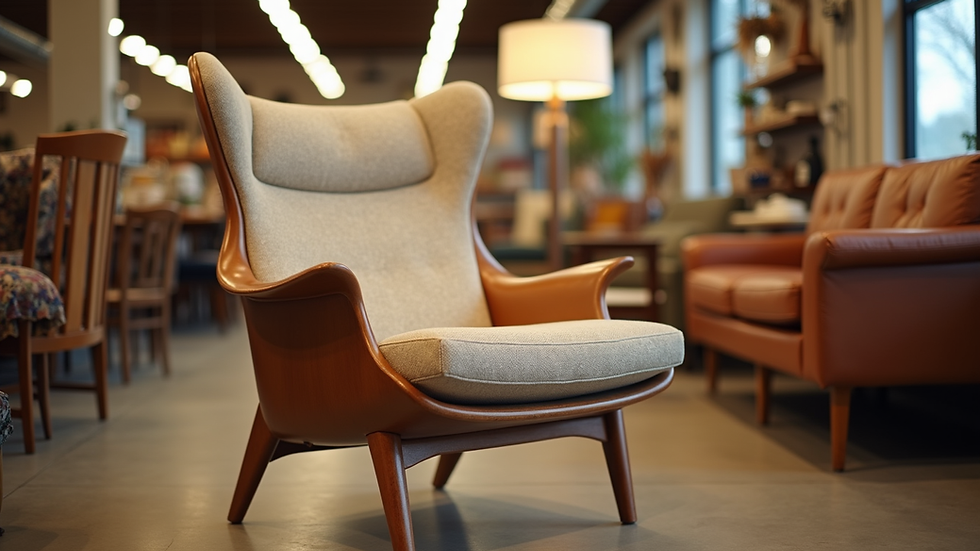
Consignment is a unique way to sell and buy furniture. Instead of selling your items directly to a buyer or a store, you entrust your furniture to a consignment shop. The shop then sells the item on your behalf and takes a percentage of the sale price as a fee. This process benefits both sellers and buyers by providing a curated selection of quality pieces and a convenient selling experience.
Here’s a simple breakdown of how the consignment process works:
Item Evaluation - You bring your furniture to the consignment store, where experts assess its condition, style, and market value.
Pricing Agreement - Together, you agree on a fair price that reflects the item’s worth and current demand.
Display and Marketing - The store showcases your furniture, often staging it to highlight its best features.
Sale and Payment - Once the item sells, you receive your share of the proceeds, usually after the store deducts their commission.
This process ensures that your furniture gets the attention it deserves while you avoid the stress of finding buyers yourself.

What Makes Consignment a Win-Win for Sellers and Buyers?
Consignment offers several advantages that make it appealing to both parties. For sellers, it’s a hassle-free way to turn unused furniture into cash without the need to negotiate with strangers or manage listings online. For buyers, consignment shops provide access to unique, high-quality pieces at prices often lower than retail.
Here are some key benefits:
For Sellers:
- No need to handle advertising or meet with buyers.
- Professional pricing helps maximize your return.
- Your furniture is cared for and displayed attractively.
For Buyers:
- Access to a wide variety of styles and eras.
- Opportunity to find one-of-a-kind pieces.
- More affordable prices compared to new furniture.
Plus, consignment supports sustainability by giving furniture a second life, reducing waste, and promoting eco-friendly shopping habits.
Is Selling on Consignment a Good Idea?
Absolutely! Selling on consignment can be a smart choice, especially if you want to avoid the typical headaches of selling furniture. However, it’s important to consider a few factors before deciding:
Condition Matters: Consignment shops usually accept only gently used or well-maintained items. If your furniture is damaged or heavily worn, it might not qualify.
Patience is Key: Selling on consignment can take time. Your item might sit on the floor for weeks or months before finding the right buyer.
Commission Fees: Remember that the store will take a percentage of the sale price, so your final payout will be less than the full price.
Pricing Strategy: Setting a realistic price is crucial. Overpricing can lead to your item not selling, while underpricing means less money for you.
If you’re ready to part with your furniture and want a stress-free selling experience, consignment is definitely worth considering. It’s a great way to declutter, earn some cash, and support local businesses.
Tips for Preparing Your Furniture for Consignment
To make the most of the consignment process, preparation is key. Here are some practical tips to help your furniture shine and attract buyers:
Clean Thoroughly: Dust, polish, and vacuum your furniture to make it look its best.
Repair Minor Damage: Fix loose screws, tighten joints, and touch up scratches if possible.
Photograph Well: Take clear, well-lit photos if the store requires them for online listings.
Provide Details: Share the story behind the piece, its age, brand, and any unique features.
Be Honest: Disclose any flaws or wear to avoid surprises for buyers.
By investing a little time in preparation, you increase the chances of a quick sale and a better price.
How to Find the Right Consignment Shop for Your Furniture
Choosing the right consignment shop can make all the difference. Here are some factors to consider when selecting a place to consign your furniture:
Reputation: Look for shops with positive reviews and a strong local presence.
Specialization: Some shops focus on specific styles or types of furniture, so find one that matches your items.
Location: A conveniently located shop in Birmingham, AL, can attract more buyers.
Commission Rates: Compare fees to ensure you’re getting a fair deal.
Customer Service: Friendly, knowledgeable staff can guide you through the process smoothly.
At Classic Home Decor Consignment, for example, the goal is to be the go-to spot in Birmingham for quality, affordable used furniture and home decor. They make selling easy and enjoyable, helping your furniture find a new home.
We hope this guide has shed light on how the used furniture consignment process works and why it’s a fantastic option for both sellers and buyers. Whether you’re looking to refresh your space or pass on a beloved piece, consignment offers a warm, welcoming way to do it. Ready to give your furniture a new life? Let’s get started!


Comments